
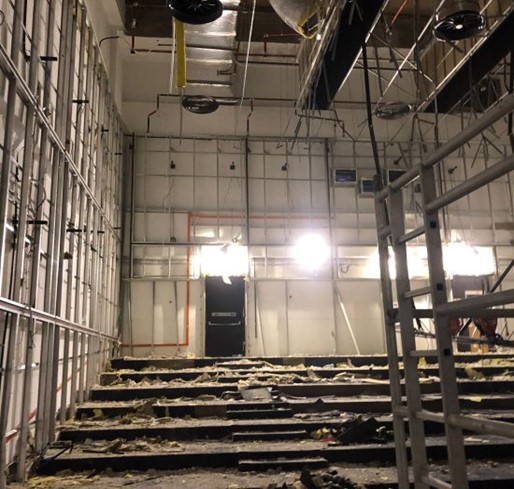
For many tenants in Singapore, the biggest concern at the end of a lease isn’t moving out — it’s getting the security deposit back.
Disputes often arise because of unclear reinstatement standards, last-minute rectification requests, or disagreements over what condition the unit should be returned in. Without proper planning, end of lease reinstatement can quickly become stressful, costly, and time-consuming.
In this guide, we explain how end of lease reinstatement works in Singapore, why disputes happen, and what you can do to protect your deposit and avoid conflicts with landlords.
What Is End of Lease Reinstatement?
End of lease reinstatement refers to restoring a rented property back to the original condition stated in the tenancy agreement before handing it back to the landlord.
In Singapore, this typically includes:
- Removal of tenant-installed fixtures and fittings
- Dismantling partitions, carpentry, and signage
- Making good walls, floors, and ceilings
- Reinstating electrical, air-conditioning, and plumbing works
- Clearing debris and disposing of materials
- Final inspection and handover
Failure to meet reinstatement requirements is one of the main reasons deposits are withheld.
Why Do Reinstatement Disputes Happen in Singapore?
Most disputes are not caused by negligence — they arise from misaligned expectations.
Common reasons include:
- Vague reinstatement clauses in the lease
- Different interpretations of “original condition”
- Incomplete or rushed reinstatement works
- Poor workmanship or overlooked items
- Lack of documentation during handover
Understanding these risk areas early helps you avoid problems later.
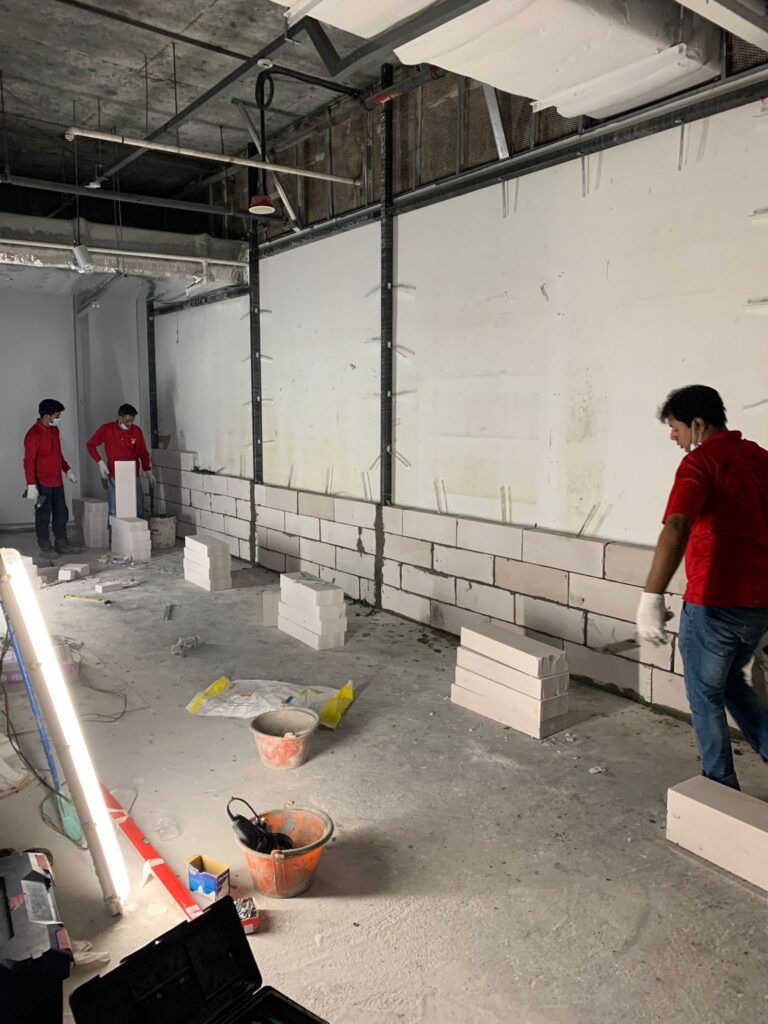
1. Not Fully Understanding Your Lease Agreement
The problem
Many tenants only skim the reinstatement clause or rely on verbal advice. However, leases may require:
- Reinstatement to bare condition
- Restoration based on original drawings
- Removal of all tenant additions, even if approved
Missing these details can lead to:
- Rework on reinstatement
- Deposit deductions
- Extended handover negotiations
How to avoid disputes
- Review the reinstatement clause before your notice period
- Clarify unclear terms with the landlord or managing agent
- Share the lease requirements with your reinstatement contractor early
Clear understanding prevents costly misunderstandings.
2. Leaving Reinstatement Planning Too Late
The problem
Last-minute reinstatement often leads to:
- Rushed workmanship
- Missed items
- Incomplete rectification
- Delays that trigger penalties
When time is tight, landlords are more likely to withhold deposits until issues are resolved.
How to avoid disputes
- Start planning Reinstatement works in Singapore months before lease expiry
- Engage a professional reinstatement contractor early
- Allow buffer time for inspections and touch-ups
Early planning gives you leverage and peace of mind.
3. Incomplete or Poor-Quality Reinstatement Works
The problem
Even small defects can cause disputes, such as:
- Uneven wall patching
- Visible floor marks
- Improper removal of wiring or trunking
- Poor paint finishing
Landlords may classify these as non-compliance and deduct rectification costs from your deposit.
How to avoid disputes
- Engage experienced reinstatement contractor in Singapore
- Avoid choosing contractors based on price alone
- Conduct internal inspections before official handover
Quality workmanship directly protects your deposit.
4. No Joint Inspection Before Final Handover
The problem
Some tenants return keys without a joint inspection, only to receive a list of issues later. This often leads to:
- Disagreements over responsibility
- Additional rectification costs
- Delays in deposit refund
How to avoid disputes
- Request a joint inspection with the landlord or management
- Rectify issues on the spot where possible
- Document all agreed items in writing
A joint inspection creates clarity and accountability.
5. Lack of Documentation and Proof
The problem
Without proper records, it becomes difficult to challenge claims such as:
- “This was not reinstated”
- “The condition is unacceptable”
- “Damage was caused during removal”
How to avoid disputes
- Take clear photos before, during, and after reinstatement
- Keep records of approvals and correspondence
- Work with a contractor who provides completion documentation
Documentation protects you if disagreements arise.

Why the Right Reinstatement Contractor Makes a Difference
Many deposit disputes can be avoided by working with an experienced reinstatement contractor in Singapore who:
- Understands lease and landlord requirements
- Provides clear scope and transparent pricing
- Anticipates inspection checkpoints
- Supports post-completion rectification if needed
- Delivers compliant end of lease reinstatement works
The right contractor doesn’t just complete the job — they help ensure a smooth and dispute-free handover.
Final Thoughts: Protect Your Deposit With Proper Reinstatement
End of lease reinstatement is not just a formality — it’s a financial safeguard.
By planning early, understanding your lease, and engaging professional Best reinstatement services in Singapore, you can:
- Avoid unnecessary disputes
- Prevent deposit deductions
- Complete handover confidently
- Close your lease on good terms
A smooth reinstatement process means you walk away with your deposit intact.
Ending your lease soon?
Don’t risk disputes or deposit deductions due to poor reinstatement planning.
Contact MS Projects today for professional end of lease reinstatement services in Singapore and let our experienced team help you achieve a smooth, compliant, and stress-free handover.