
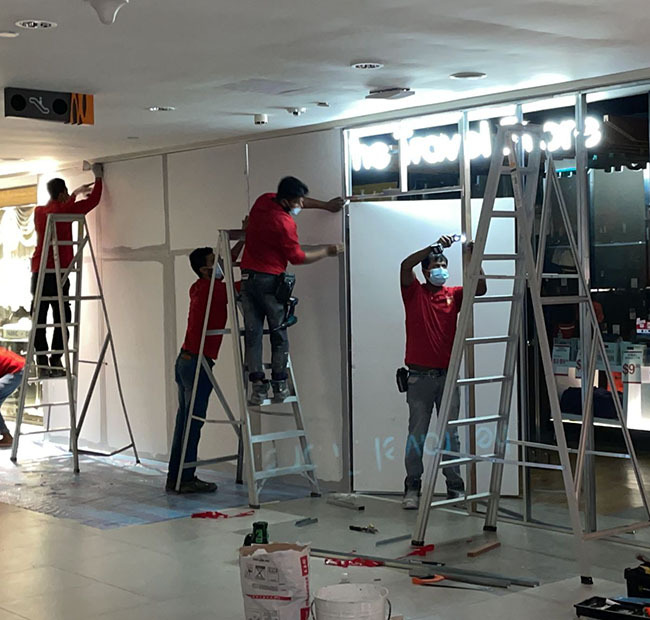
A business owner in Singapore hands back a unit and gets hit with unexpected charges. Walls not restored. Wiring is still exposed. Flooring mismatched. It is more frequent than individuals will admit. Reinstatement is a relatively easy thing to say, but the details can make a handover either a smooth affair or an expensive fiasco.
This blog breaks down what reinstatement really involves, what a reinstatement contractor actually does, and how the full process works from start to finish.

What Are Reinstatement Works?
Reinstatement works refer to restoring a commercial or industrial space to its original condition before returning it to the landlord. Most lease agreements in Singapore require this.
That means removing everything added during the tenancy and bringing the unit back to its base state. No branding, no partitions, no custom fittings.
Why Reinstatement Is Strict in Singapore
Landlords are particular. And there’s a reason.
- Properties need to stay uniform for future tenants
- Safety regulations must be fully complied
- Building management enforces strict compliance requirements
Even minor oversights can result in penalties or delays. Some tenants lose part of their deposit just because of poor finishing.
A skilled Reinstatement contractor Singapore knows these expectations. That’s where things start to matter.
Scope of Reinstatement Works
Every project looks slightly different, but the core scope stays fairly consistent.
-
Dismantling and Removal
Everything installed during occupancy gets removed. This includes partitions, cabinets, glass panels, signage, and built-in furniture.
-
Electrical and Plumbing Works
Wiring, lighting fixtures, sockets, and plumbing additions are taken out or reset to original points.
-
Ceiling and Flooring Restoration
False ceilings are dismantled or reinstated as required. Flooring is repaired, replaced, or restored to match the original condition specified in the lease agreement.
-
Wall Finishing
Walls are patched, repainted, or returned to their original state. No branding, no bold colors.
-
Disposal and Cleaning
Debris is cleared, waste is disposed of properly, and the space is cleaned for inspection.
What a Reinstatement Contractor Actually Handles
A professional Best reinstatement contractor in Singapore doesn’t just “do the work.” They manage the entire process.
Here’s what typically falls under their responsibility:
- Site inspection and assessment
- Understanding lease requirements
- Planning timeline and manpower
- Coordinating with building management
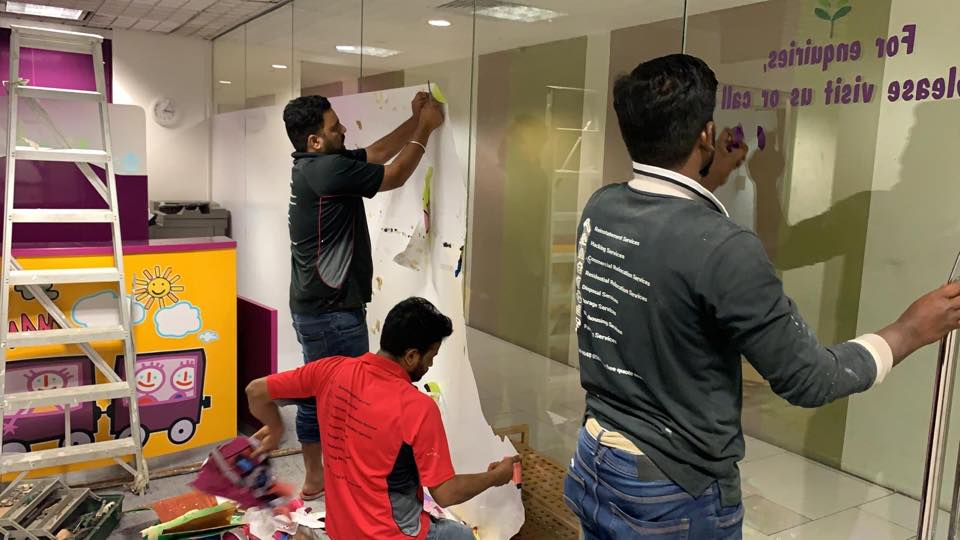
- Executing dismantling and restoration
- Final touch-ups and compliance checks
A good contractor keeps things efficient, smooth and with minimal disruption. No unnecessary delays. No confusion with management.
Step-by-Step Reinstatement Process
The process is not complicated, but it needs structure. Skipping steps often leads to rework.
Site Assessment
The contractor visits the site, studies the current condition, and compares it with the original layout or lease agreement.
Photos are taken. Measurements are checked. Hidden issues sometimes show up here.
Quotation and Scope Confirmation
A detailed quotation is prepared. This includes scope, materials, timeline, and cost.
Clarity at this stage prevents disputes later.
Planning and Approvals
Work schedules are aligned with building management. Demolition, waste disposal or after-hours work might be subject to permits. No approvals, no works.
Execution Phase
This is where actual reinstatement works begin.
- Dismantling is carried out first
- Electrical and plumbing systems are then addressed
- Surface restoration follows thereafter
Noise control and safety are critical here. Some buildings restrict working hours.
Finishing and Touch-Ups
Small details get fixed. Paint inconsistencies, uneven surfaces, leftover marks. These are the things landlords notice first.
Final Inspection and Handover
Any identified issues are rectified and subjected to re-inspection for approval. Upon confirmation of compliance, the premises are formally cleared and deemed ready for handover.
Common Mistakes That Cost Tenants Money
Many businesses underestimate reinstatement. That’s where problems begin.
Two common issues stand out:
- Hiring general contractors instead of reinstatement specialists
- Ignoring lease clauses and original condition requirements
Cheap shortcuts often lead to rework. Rework leads to delays. Delays lead to penalties.
Real-World Insight: What Actually Goes Wrong
A retail unit in a busy mall completed its reinstatement in a rush. At a glance, everything was all right. In the check-up, the landlord identified uneven floors and the wrong paint color.
Fixing it took another week. Extra cost. Extra stress. Missed deadline. That’s not rare. It’s routine when planning is weak.
How to Choose the Right Reinstatement Contractor in Singapore?
Not all contractors handle reinstatement properly. Experience matters more than price.
Look for:
- Proven experience in Singapore commercial projects
- Clear understanding of lease compliance
- Transparent quotations
- Ability to handle end-to-end work
- Good coordination with building management
A contractor who asks detailed questions early usually saves time later.
Timeline: How Long Do Reinstatement Works Take?
Timelines depend on size and complexity. Smaller office units are typically completed within a short timeframe, while larger commercial spaces may take 2 to 4 weeks or more.
Factors that affect duration:
- Size of the unit
- Extent of modifications made earlier
- Building restrictions
- Approval delays
Planning early makes a big difference.
Cost of Reinstatement in Singapore
Costs vary widely. There’s no fixed rate.
Typical pricing depends on:
- Scope of dismantling
- Material restoration needs
- Labor and disposal costs
- Urgency of the project
A lower-cost quotation may seem attractive upfront, but additional items can arise later.
Practical Tips Before Starting
A few simple actions can save time and money:
- Keep original layout drawings and photos
- Review lease clauses carefully
- Begin to make plans at least 1 to 2 months before the expiry of the lease.
- Employ a contractor specializing in reinstatement works.
Preparation reduces last-minute chaos.
Conclusion
Reinstatement works in Singapore are not just about removing fixtures. They are about meeting strict expectations, avoiding penalties, and ensuring the space is handed back to building management in full compliance with requirements.
Understanding the full scope and following a proper process makes all the difference. Small details often have a much bigger impact than expected. The stressful deadline is transformed into manageable, predictable work by the right reinstatement contractor.
In the case of businesses that desire to have a smooth, compliant and hassle-free handover, collaboration with a team of experienced personnel, such as MS Projects is all that is required.
FAQs
- What is reinstatement works in Singapore?
Reinstatement works involve restoring a rented property to its original condition before returning it to the landlord, as required by most lease agreements.
- Why should I hire a reinstatement contractor?
A reinstatement contractor ensures the work meets lease requirements, avoids penalties, and handles the entire process professionally from start to finish.
- How long do reinstatement works take?
It depends on the size and complexity of the space. Small units may take a few days, while larger projects can take several weeks.
- What affects the cost of reinstatement works?
Costs depend on the scope of work, materials needed, labor, disposal requirements, and project urgency.