

If your retail lease is ending, your tenancy agreement almost certainly requires you to hand the unit back exactly as you found it — not as you’re leaving it. That obligation is called reinstatement, and getting it wrong is one of the most expensive mistakes a retail tenant can make at the end of a lease. This guide walks through what reinstatement actually involves, when to start, what it costs in Singapore today, and the checklist landlords use to sign off your handover.
What Is Retail Shop Reinstatement?
Retail shop reinstatement is the work required to return a leased retail unit to its original, pre-fit-out condition before handing it back to the landlord. It typically means stripping out flooring, ceilings, partitions, signage, and any electrical or mechanical additions installed during the tenancy, then repairing and repainting the space to match the condition it was delivered in — usually a bare concrete shell.
This obligation isn’t optional or negotiable after the fact — it’s written into a specific clause in your tenancy agreement, and it’s the main thing standing between you and the return of your security deposit.
Why Landlords Require Reinstatement
Every commercial lease in Singapore includes a reinstatement clause, usually worded along the lines of: the tenant shall, at its own cost, reinstate the premises to their original condition (fair wear and tear excepted) before the end of the tenancy. This clause exists so the landlord can hand the unit to the next tenant in a neutral, move-in-ready state, without having to strip out the previous occupant’s fit-out themselves.
The clause is backed by your security deposit. Under the Lease Agreements for Retail Premises Act 2023 and its accompanying Code of Conduct for Leasing of Retail Premises, landlords of qualifying retail leases are generally expected to cap security deposits at around three months’ rent, rather than the higher multiples sometimes seen in office and industrial leases. Exact thresholds, exemptions, and return timelines vary by lease type, so check your specific lease clause and the current Code of Conduct rather than assuming a fixed figure applies.
In practice, the deposit is what the landlord draws from if reinstatement isn’t completed properly. If the cost of putting things right exceeds the deposit, landlords are generally entitled to bill the tenant directly for the difference.
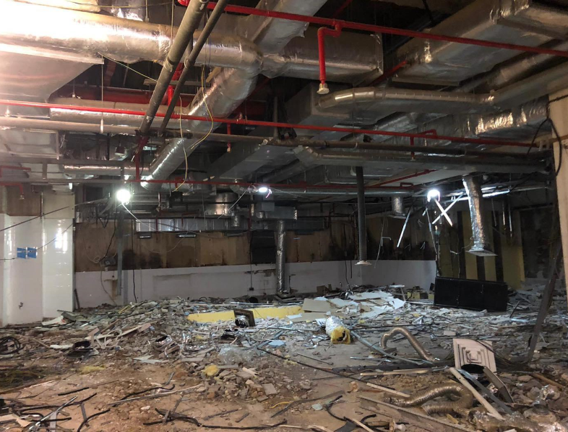
When to Start Planning: The Reinstatement Timeline
Reinstatement almost always runs on a tighter clock than tenants expect, because the two things you need — the landlord’s reinstatement schedule and a contractor’s calendar slot — rarely arrive when you want them to.
| Milestone | Typical timing |
| Landlord issues the reinstatement schedule | 3–6 months before lease expiry (sometimes as late as 4–6 weeks — flag this early with your landlord) |
| Engage a contractor and confirm scope | 6–8 weeks before lease expiry, minimum |
| Contractor mobilisation lead time | 2–4 weeks after engagement |
| On-site works | 1–6 weeks, depending on unit size and scope |
| Joint handover inspection & snagging | Before or at lease expiry |
| Security deposit returned | Per your lease terms, once the landlord accepts the reinstatement handover |
If your reinstatement schedule hasn’t arrived by 8 weeks out, ask for it in writing. A late schedule compresses your contractor’s timeline and is one of the most common reasons tenants end up paying holdover rent.
The Retail Shop Reinstatement Process, Step by Step
- Review the reinstatement schedule against your lease clause. The schedule lists exactly what the landlord expects removed or restored. Where it’s ambiguous — a common source of disputes — get clarification from the landlord in writing before work starts.
- Engage a qualified contractor. Most malls require contractors to hold a minimum bizSAFE Level 3 certification before granting building access, and any electrical work must be carried out by an EMA-licensed electrical worker. Structural changes may need a Professional Engineer’s endorsement submitted to the Building and Construction Authority.
- Conduct a joint pre-inspection with the landlord. Walk the unit together and document existing damage and agreed scope in writing, so you’re not billed later for wear that predates your tenancy.
- Sequence the works correctly. Mechanical and electrical stripping goes first, structural removal (partitions, false ceilings) second, and cosmetic finishing — patching, repainting, cleaning — last.
- Self-audit against the schedule before requesting the final inspection. Check every line item, not just the obvious ones (grease traps and ducting are the most commonly missed).
- Attend the final handover inspection and respond to any snagging items within the timeframe the landlord sets. Items left unresolved are usually completed by the landlord’s own contractor — at your cost, and typically well above what your contractor would have charged.
- Confirm the deposit release process, including what documentation the landlord needs from you to process the refund.
Reinstatement Checklist: What Needs to Come Out
Use this as a working checklist alongside your specific reinstatement schedule, since exact scope varies by lease.
| Item | What’s typically required |
| Partitions & built-ins | Remove drywall, glass partitions, display fixtures, counters, and fixed storage |
| Flooring | Strip added flooring (vinyl, tiles, timber) and restore the original surface |
| Ceiling | Remove false ceilings, grid systems, and lightboxes |
| Electrical | Remove added power points, wiring, data cabling, and distribution boards installed during tenancy |
| M&E / ACMV | Remove added ductwork and mechanical additions; restore to original configuration |
| Plumbing (F&B) | Remove grease traps and added plumbing; cap off as required |
| Signage & branding | Remove all logos, vinyl lettering, window film, and external signage |
| Walls | Patch and repaint to the original approved colour, typically white or off-white |
| Damage repair | Fix cracked tiles, chipped skirting, and any damage caused during reinstatement |
| Final clean & handover | Professional clean, debris removal, and joint sign-off with the landlord |
Cost of Retail Shop Reinstatement in Singapore
Cost depends heavily on unit size, how much M&E was added during your tenancy, and whether structural work needs a Professional Engineer’s sign-off. The figures below are general market estimates for planning purposes, not a quote — get a site-specific quote before budgeting a final number.
| Unit size | Typical total cost (SGD) | Typical duration |
| Under 200 sq ft | $8,000 – $20,000 | 1–2 weeks |
| 200–500 sq ft | $15,000 – $40,000 | 2–3 weeks |
| 500–1,500 sq ft | $25,000 – $60,000 | 3–5 weeks |
| F&B or heavy M&E fit-outs | $40,000 and up | 4–8 weeks |
Some contractors quote per square foot instead. As a rough guide, retail reinstatement typically runs S$35–S$45+ per sq ft where ACMV and structural work is involved, compared with S$18–S$35 per sq ft for a simpler office fit-out with no kitchen exhaust or structural changes.
Retail vs F&B Reinstatement: What’s Different
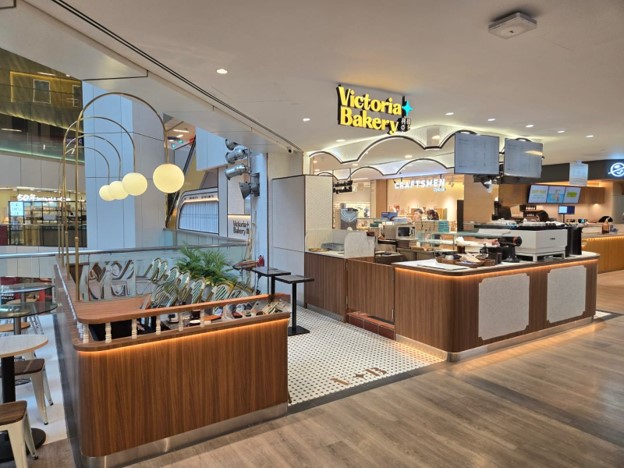
F&B units carry extra scope that pushes both cost and timeline up: kitchen exhaust hoods and ducting, grease traps, gas line capping, and floor traps all need professional removal and certification, on top of the standard partition, ceiling, and electrical work every retail unit requires. If you’re an F&B tenant, build in extra lead time to coordinate these removals with the mall’s fire safety and mechanical ventilation requirements — this is the step most often underscoped in a reinstatement quote.
What Happens If Reinstatement Isn’t Done Properly
Getting reinstatement wrong is expensive in three specific ways:
- Deposit forfeiture. The landlord withholds part or all of your deposit to cover the cost of finishing the work.
- Landlord-arranged rectification at a premium. Work your own contractor would have quoted at, say, $15,000 commonly costs $30,000–$35,000 when the landlord’s appointed contractor completes it instead, and that difference is billed to you.
- Holdover rent. Many leases charge double the standard rent, or more, for every day the unit isn’t handed back in an accepted state.
The pattern behind most of these outcomes is the same: reinstatement started too late, or the scope was underestimated going in.
Mall-Specific Reinstatement Requirements
Reinstating a unit inside a shopping mall carries additional layers on top of your lease obligations. Mall management (CapitaLand, Frasers Property, Mapletree, and other operators each run their own lease templates and house rules) typically requires:
- A work permit and method statement submitted before any demolition begins
- Work restricted to non-trading hours — usually early morning or late night — to avoid disrupting other tenants and shoppers
- Strict noise and dust control, enforced by the mall’s operations team, who can and will halt non-compliant work
- A joint handover inspection against the mall’s own reinstatement specification, which may be stricter than the general lease wording
Factor mall approval time into your timeline separately from the physical works themselves — permit processing alone can take one to two weeks.
Common Mistakes to Avoid
The most frequent and most expensive mistakes retail tenants make are starting too late, underscoping M&E and ductwork removal, and not getting scope clarifications in writing before work begins. We’ve covered these in more depth in Top Mistakes to Avoid in Commercial Reinstatement Singapore.
Frequently Asked Questions
What does “reinstate to original condition” mean?
It means restoring the unit to the state it was in when you first took possession — usually a bare concrete shell — minus fair wear and tear. It includes removing all fixtures, fittings, and M&E additions installed during your tenancy, and repairing any damage caused along the way.
How much does retail shop reinstatement cost in Singapore?
Most retail units cost between $8,000 and $60,000 to reinstate, depending on size and scope. Small units under 200 sq ft typically start around $8,000, while F&B units with kitchen exhaust and grease trap removal often exceed $40,000. Get a site-specific quote for an accurate figure.
How long does retail shop reinstatement take?
Small units (under 200 sq ft) typically take 1–2 weeks. Larger or F&B units with heavier M&E scope can take 4–8 weeks. Add time for mall permit approval and the landlord’s final inspection, which run on top of the physical works.
Who pays for reinstatement, the tenant or the landlord?
The tenant. Reinstatement is a standard obligation in Singapore commercial and retail leases, funded upfront by the tenant and secured by the security deposit, which the landlord can draw on if the work isn’t completed to the required standard.
Can I use my own contractor, or must I use one from the landlord’s panel?
This depends on your lease and, for mall units, on mall management’s rules. Some malls require contractors to meet minimum standards (such as bizSAFE Level 3) but don’t restrict you to a specific panel; others maintain an approved contractor list. Check your reinstatement schedule and mall handbook before engaging anyone.
What happens if I miss my reinstatement deadline?
You’re typically liable for holdover rent, often at double the standard rate, until the landlord accepts the handover. If the deadline is missed by enough that the landlord’s own contractor completes the work, you’ll usually pay a premium above what your own contractor would have charged.
Do I need permits for reinstatement works?
Simple strip-out work (partitions, flooring, ceilings) usually doesn’t need a permit. Structural changes may require Building and Construction Authority approval via a Professional Engineer, and all electrical work must be carried out by an EMA-licensed electrical worker. Mall units also need a work permit and method statement from mall management before work starts.
Why Work With a Specialist Reinstatement Contractor
Reinstatement isn’t renovation in reverse — it’s a compliance exercise with a hard deadline and your deposit on the line. MS Projects has handled reinstatement and fit-out projects for retail and F&B brands including KOI, Haidilao, Krispy Kreme, QB House, Sandro, and Pop Mart, and was awarded 3 out of 4 tendered projects by BHG. We quote direct contractor pricing with no middlemen, work around your trading hours and lease deadlines, and manage the process from schedule review through to your final handover inspection.