
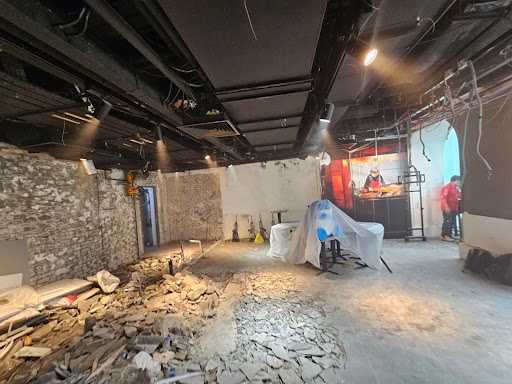
The most common commercial reinstatement mistakes in Singapore are starting too late (less than 2 months before lease end), misreading the reinstatement clause and underestimating scope, skipping a joint inspection before work begins, ignoring mechanical and electrical (M&E) systems, and hiring a contractor without BCA registration or bizSAFE certification. Each of these can lead to deposit deductions, extended liability for rent past your move-out date, or a landlord rejecting the handover outright.
Below is what each mistake actually costs you, and how to avoid it.
Why Reinstatement Mistakes Get Expensive Fast
Reinstatement isn’t a courtesy — it’s a contractual obligation written into your lease. When tenants get it wrong, the landlord doesn’t absorb the cost. They deduct it from your security deposit, bill you for additional works, or in some cases hold you liable for rent until the unit passes inspection. A handover that should take two to three weeks can stretch into months of back-and-forth if the scope was misunderstood from the start.
Most of the mistakes below come from the same root cause: treating reinstatement as a quick teardown job instead of a compliance process with its own approvals, documentation, and inspection standards.
1.Starting the Planning Too Late
This is the single most common mistake, and the most avoidable one. Many tenants don’t start thinking about reinstatement until weeks before their lease ends — by which point there’s no runway left for permit approvals, contractor scheduling, or fixing problems that surface mid-demolition.
What it costs you: Rent liability extending past your official move-out date, plus rushed work that’s more likely to fail the landlord’s final inspection.
How to avoid it: Start planning at least 2 to 3 months before lease end. This gives enough time for site assessment, contractor quotation, any required BCA submissions, and a buffer for issues that only show up once hacking or dismantling starts.
2. Misreading the Reinstatement Clause
Not all leases require the same scope of reinstatement. Some only require removing partitions and fixtures; others require restoring flooring, ceilings, and the full M&E layout to its original state — including specific paint colour codes. Tenants who skim this clause often discover the real scope only when the landlord rejects the handover.
What it costs you: Underbudgeting for work you didn’t realise was required, and a second round of works (and a second bill) after a failed inspection.
How to avoid it: Read the reinstatement clause line by line, ideally with your contractor present, and clarify ambiguous terms with the landlord in writing before work starts. If the clause references “original condition” without specifics, ask for the baseline documentation (handover photos, as-built drawings) from when you first took possession.
3. Skipping the Joint Site Inspection
Some tenants go straight from notice-to-vacate into demolition, without a documented walkthrough of what actually needs to be restored. Without that record, disputes over what was “original” versus “added by the tenant” become difficult to resolve.
What it costs you: Disputed deductions from your deposit, with no documentation on your side to push back.
How to avoid it: Schedule a joint inspection with your landlord (or their representative) and your reinstatement contractor before any work begins. Document every fixture, partition, and M&E installation that needs to come out, with photos and a written scope of works both parties agree to.
4. Ignoring Mechanical and Electrical (M&E) Systems
This is the mistake that catches the most tenants off guard. Reinstatement attention usually goes to the visible stuff — partitions, cabinets, flooring — while electrical wiring, additional power points, sprinkler modifications, and ducting changes get overlooked entirely.
What it costs you: A failed final inspection specifically on M&E grounds, often after the visible demolition work is already done and signed off.
How to avoid it: Treat M&E as its own line item in the scope of works, not an afterthought to dismantling. Any wiring, power points, plumbing, or ducting added during your tenancy needs to be assessed and reinstated to code, not just removed.
5. Hiring an Unlicensed or Inexperienced Contractor
To save on cost, some tenants engage a general handyman or unlicensed contractor for what is, in effect, regulated construction work. The savings are usually short-lived.
What it costs you: Non-compliant work that fails inspection, safety risks during demolition, and no recourse if something goes wrong since the contractor isn’t accountable to any regulatory standard.
How to avoid it: Confirm the contractor is BCA-registered and bizSAFE-certified before signing. A properly credentialed reinstatement contractor will also be familiar with what your specific building’s management typically expects at handover — which matters more than it sounds, since requirements vary building to building.
6. Assuming Partial Works Will Be Accepted
Some tenants negotiate informally with the landlord to leave certain items in place (“the partition is in good condition, can we just leave it?”) without getting that agreement in writing. Verbal understandings rarely survive a change in landlord representative or a strict final inspection.
What it costs you: Being asked to remove items you believed were approved to stay, after you’ve already handed over the keys.
How to avoid it: Any deviation from the full reinstatement scope needs written sign-off from the landlord — not a verbal nod during a site visit.
7. Missing Paint and Finish Specifications
Reinstatement clauses sometimes specify an exact paint colour or finish standard for walls and ceilings, not just “repaint.” Tenants who repaint with a close-enough shade often get flagged at inspection.
What it costs you: A repaint job you’ve already paid for, done again.
How to avoid it: Get the exact colour code or finish spec from the landlord or building management before painting, not after.
8. Starting Demolition Before Permits Are in Place
Certain reinstatement works — particularly structural changes, partition removal affecting fire compartments, or M&E modifications — may require approval before work starts, not just notification after the fact.
What it costs you: Stop-work orders mid-project, which is the fastest way to blow past your lease end date.
How to avoid it: Confirm with your contractor up front which parts of the scope need prior approval, and sequence the work so permits are in hand before the relevant demolition begins.
9. Treating the Final Inspection as a Formality
Some tenants schedule the final handover walkthrough without first doing their own pre-inspection, assuming the work is “good enough.” Landlords inspect against the original agreed scope, not against a general impression of tidiness.
What it costs you: A failed handover inspection, which delays your deposit return and may extend your liability for the unit.
How to avoid it: Walk the space with your contractor before the landlord’s inspection, checking it against the documented scope from step 3. Fix anything that doesn’t match before the official handover, not during it.
Frequently Asked Questions
What is the biggest mistake tenants make in commercial reinstatement in Singapore? Starting too late. Reinstatement should begin 2 to 3 months before lease end to allow time for permits, contractor scheduling, and fixing issues that surface during the work — not in the final weeks of the tenancy.
Do I need a licensed contractor for commercial reinstatement? Yes. A BCA-registered, bizSAFE-certified reinstatement contractor ensures work meets safety and regulatory standards, which is what your landlord’s final inspection will be checking against.
What does reinstatement typically include in Singapore? Scope varies by lease, but commonly includes removing partitions, restoring flooring and ceilings, reinstating M&E (electrical, plumbing, ducting) to original layout, and repainting to a specified finish.
Can I negotiate reinstatement scope with my landlord? Yes, but any agreement to leave items in place or reduce scope should be confirmed in writing. Verbal agreements are difficult to enforce at the final inspection.
What happens if reinstatement work fails the landlord’s inspection? You’ll typically be required to redo the non-compliant work, which can delay your deposit return and, in some cases, extend your liability for rent until the space passes inspection.
Get Reinstatement Done Right the First Time
MS Projects handles commercial reinstatement services in Singapore end-to-end — dismantling, restoration, M&E works, and final handover — so you’re not piecing together multiple contractors under a lease deadline. If your lease is ending and you want a clear scope and quotation before anything gets torn out, get a free quote and we’ll walk the site with you.